Understanding Prop Trading Funds: A Comprehensive Guide
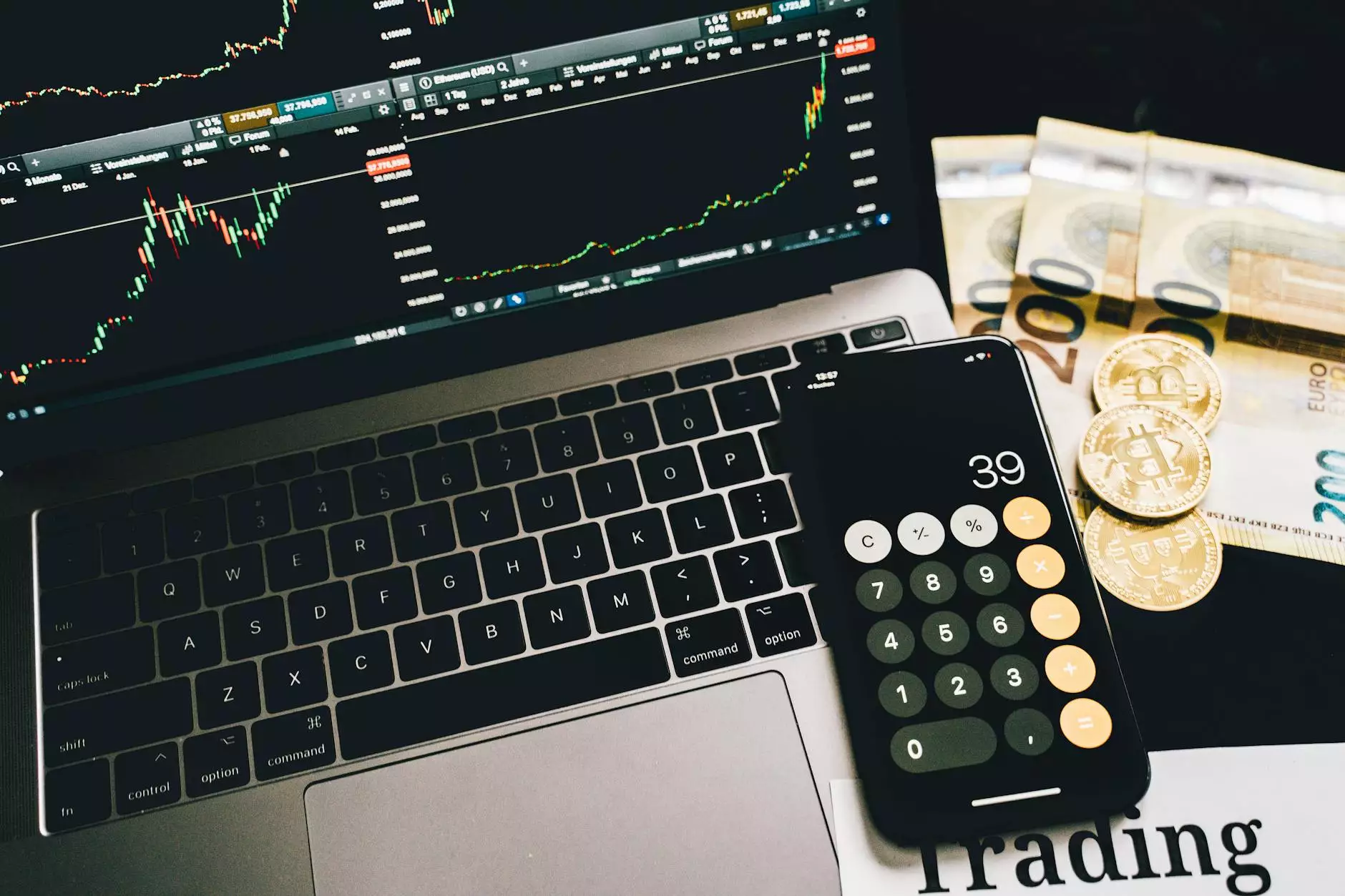
What is a Prop Trading Fund?
A prop trading fund (proprietary trading fund) is an investment vehicle where a firm uses its own capital to trade financial assets. Unlike traditional investment methods, where brokers operate for clients, proprietary trading focuses on generating profits for the firm itself. This unique setup allows companies to leverage their financial resources and expertise to enhance returns while taking calculated risks in various markets.
The Structure of Prop Trading Funds
Prop trading firms often have a distinct structure that sets them apart from traditional hedge funds or investment companies. Below are the key elements that define the structure of prop trading funds:
- Capital Contribution: Traders within these firms may contribute a portion of their own capital to the fund, aligning their interests with the firm's performance.
- Profit Sharing: Typically, the profits generated from trading activities are shared between the firm and the traders based on pre-established agreements.
- Risk Management: Proprietary trading firms employ advanced risk management strategies to mitigate potential losses while maximizing gains.
- Leverage: These funds often use leverage to amplify their trading positions, allowing for larger trades without the need for a significant increase in capital.
Advantages of Joining a Prop Trading Fund
For traders and investors, joining a prop trading fund presents numerous advantages:
- Access to Capital: Traders gain access to the firm's capital, enabling them to make larger trades without risking their personal funds.
- Advanced Trading Tools: Proprietary trading firms typically provide cutting-edge trading platforms, tools, and resources that enhance trading efficiency.
- Professional Development: Traders within these firms have opportunities for mentorship, training, and collaboration with experienced professionals, fostering personal growth and skill enhancement.
- Reduced Risk: The risk is distributed among group members, which can result in a more prudent approach to capital allocation.
- Profit Sharing Models: Traders often enjoy attractive compensation structures tied directly to their performance, incentivizing strong trading results.
The Disadvantages of Prop Trading Funds
While there are many benefits, potential traders should also consider the drawbacks of joining a prop trading fund:
- High Pressure Environment: The competitive nature of prop trading can lead to high stress, especially during volatile market conditions.
- Profit Dependency: Earnings can be inconsistent and depend heavily on market performance and trading skills, leading to potential income instability.
- Rigorous Selection Process: Joining a reputable prop trading firm often requires a rigorous application and interview process, which can be daunting for newcomers.
How to Get Started with Prop Trading Funds
If you’re considering becoming a trader at a prop trading fund, the following steps can help you get started:
- Research the Industry: Understand the different types of prop trading firms, their strategies, and the specific markets they focus on.
- Build a Trading Track Record: Having a proven history of successful trading can make you attractive to prospective firms. Use demo accounts to gauge your skills.
- Prepare for Interviews: Be ready to discuss your trading strategies, risk management techniques, and experiences during the interview process.
- Network Within the Industry: Attend trading seminars and connect with other traders to build relationships that may lead to opportunities.
- Understand the Financial Infrastructure: Familiarize yourself with the legal and regulatory environment surrounding trading in your region.
Key Strategies Employed by Prop Trading Funds
Proprietary trading firms utilize a variety of strategies to maximize profits. Here are some commonly used methods:
- Quantitative Trading: Using mathematical models and algorithms to identify trading opportunities based on statistical analysis.
- Event-Driven Strategies: Capitalizing on specific events like mergers, acquisitions, or earnings reports to anticipate market movements.
- Market Making: Providing liquidity to markets by placing buy and sell orders, profiting from the bid-ask spread.
- Technical Analysis: Using historical price charts and trading volume to make informed decisions about entering or exiting trades.
- Arbitrage: Exploiting price differences between related assets across different markets to generate risk-free profits.
Future Trends of Prop Trading Funds
The prop trading landscape is continuously evolving. Here are some trends expected to shape the future:
- Increased Use of AI: Artificial intelligence and machine learning technologies are being integrated into trading strategies to enhance decision-making processes.
- Regulatory Changes: As trading laws evolve, firms must adapt to new regulations that may affect their trading practices and compliance processes.
- Focus on Ethical Trading: With a growing emphasis on corporate responsibility, prop trading funds may increasingly prioritize ethical trading practices.
- Expanding Markets: As global markets become more interconnected, prop trading firms may explore investment opportunities in emerging markets.
The Role of Technology in Prop Trading
Technology plays a pivotal role in the operations of prop trading firms. The implementation of advanced software and systems has revolutionized the industry:
- High-Frequency Trading (HFT): Utilizing algorithms to execute trades at lightning speeds, capitalizing on minute price changes.
- Blockchain Technology: Enhancing transaction efficiency and transparency while also opening new avenues for trading digital assets.
- Data Analytics: Leveraging big data to extract actionable insights and improve trading strategies.
Conclusion: The Power of Prop Trading Funds
Exploiting the opportunities in a prop trading fund can yield significant financial benefits for traders and investors alike. With access to capital, advanced technology, and a wealth of knowledge from experienced professionals, this unique form of trading continues to attract ambitious individuals looking to maximize their potential. Despite the challenges and pressures associated with this high-stakes environment, the rewards can be unparalleled for those who navigate the intricacies of the trading world effectively.
For more information on financial services and prop trading, visit Instant Funding Now.