The Vital Role of Thoracic Surgeons in Today's Healthcare
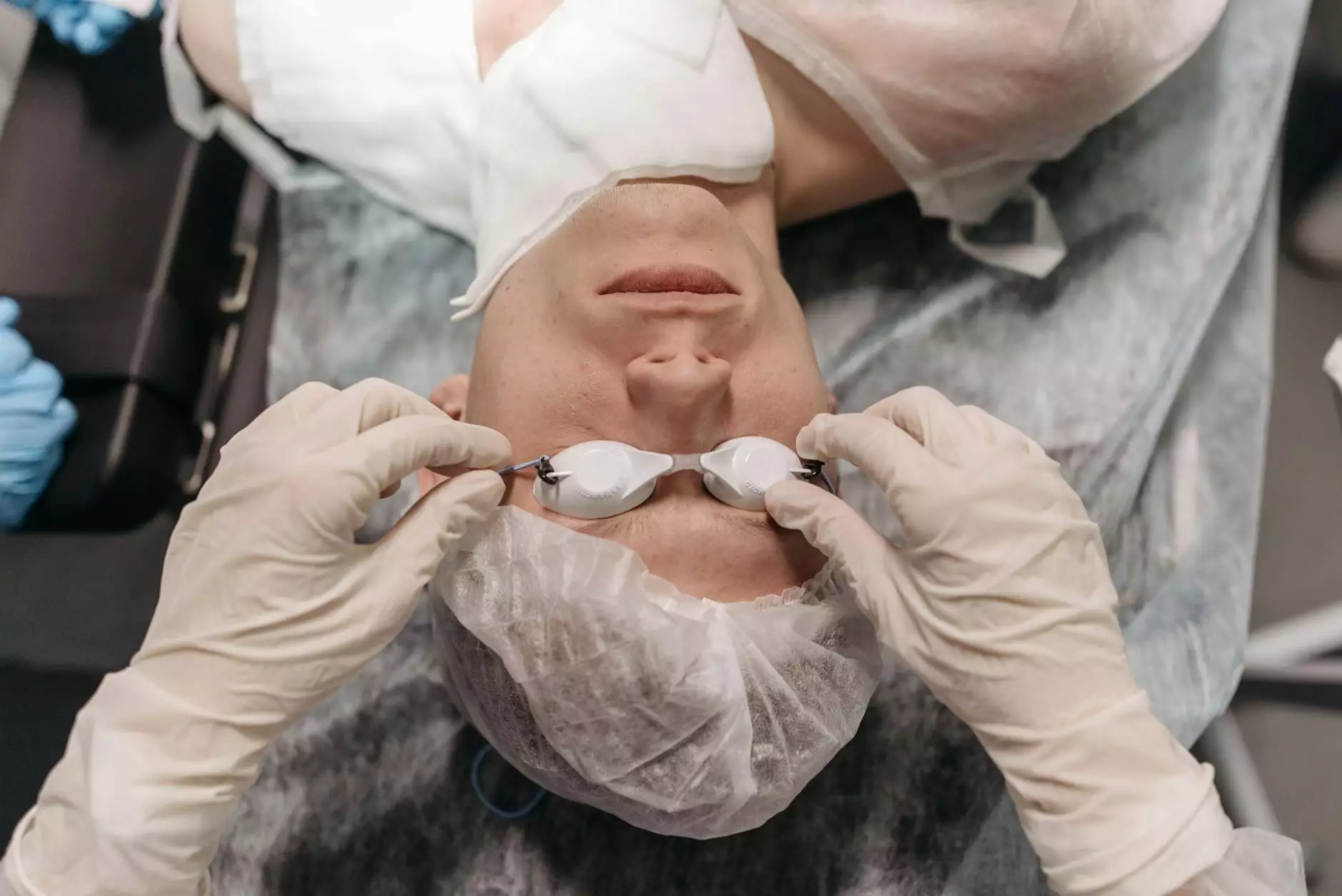
In the intricate landscape of modern medicine, thoracic surgeons occupy a critical niche, specializing in diseases and conditions affecting the chest region, including the lungs, esophagus, and heart. Their expertise is essential for diagnosing, treating, and managing a myriad of health issues that can significantly impact a patient’s quality of life.
What is a Thoracic Surgeon?
A thoracic surgeon is a highly trained medical doctor who specializes in surgical procedures involving the thorax, which encompasses not only the heart and lungs but also the structures near these vital organs. This specialization is crucial for addressing complex conditions that often require intricate surgical interventions.
Educational Pathway of a Thoracic Surgeon
Becoming a thoracic surgeon requires extensive education and training:
- Medical Degree: Aspiring surgeons must first earn a Doctor of Medicine (MD) or a Doctor of Osteopathy (DO) degree.
- Residency: After medical school, candidates must complete a residency in general surgery, typically lasting five years.
- Fellowship: A thoracic surgery fellowship follows, which can last 2-3 years and focuses specifically on procedures involving the chest.
- Board Certification: Finally, surgeons must obtain board certification, ensuring they meet the rigorous standards of the profession.
Common Conditions Treated by Thoracic Surgeons
Thoracic surgeons are equipped to handle a wide array of conditions, including:
- Lung Cancer: One of the most critical areas, thoracic surgeons perform lobectomies, wedge resections, and other surgical techniques to remove cancerous tissues.
- Esophageal Disorders: Conditions such as achalasia, esophageal cancer, and gastroesophageal reflux disease may require surgical intervention.
- Chest Trauma: Accidents involving the chest—such as rib fractures or damage to internal organs—often necessitate surgical expertise.
- Interstitial Lung Disease: Surgical procedures may be required to remove diseased lung tissue or to perform lung transplants in severe cases.
The Importance of Thoracic Surgeons in Sports Medicine
In the realm of sports medicine, the significance of a skilled thoracic surgeon cannot be overstated. Athletes suffering from conditions affecting their respiratory system or experiencing thoracic injuries require precise interventions to facilitate their return to optimal performance.
Role in Sports Medicine
Here’s how thoracic surgeons contribute to sports medicine:
- Injury Management: Athletes often experience injuries that impact their thoracic cavity. Prompt surgical intervention can prevent long-term damage and ensure swift recovery.
- Respiratory Health: Conditions like exercise-induced asthma must be managed effectively. A thoracic surgeon can work in conjunction with other specialists to devise comprehensive treatment plans.
- Rehabilitation Programs: Post-surgery, thoracic surgeons collaborate with physical therapists to implement rehabilitation strategies, aiding athletes in regaining strength and mobility.
Surgical Procedures Undertaken by Thoracic Surgeons
Thoracic surgeons employ several sophisticated surgical techniques tailored to the conditions they treat:
1. Lobectomy
This procedure involves the removal of a lobe of the lung and is frequently performed to treat lung cancer. By excising a portion of the lung, surgeons can effectively remove tumors and minimize the risk of cancer recurrence.
2. Pneumonectomy
A pneumonectomy is the complete removal of a lung. This is a more complex procedure typically indicated in advanced cases of lung cancer, necessitating a thorough consultation and evaluation prior to surgery.
3. Esophagectomy
This surgery involves removing part or all of the esophagus, often due to cancer or severe esophageal damage. Thoracic surgeons utilize minimally invasive techniques where possible, facilitating quicker recoveries for patients.
4. Video-Assisted Thoracoscopic Surgery (VATS)
VATS is a minimally invasive approach that allows surgeons to access the thoracic cavity using small incisions and a camera. This technique reduces recovery time and minimizes postoperative pain.
The Future of Thoracic Surgery
The field of thoracic surgery is continually evolving, with advancements promising even better outcomes for patients:
Innovation and Technology
New technologies such as robotic surgery systems are being integrated into thoracic procedures, enabling even greater precision and control. These technologies not only improve the surgeon's ability to perform complex procedures but also enhance patient recovery times and outcomes.
Research and Development
The future also lies in ongoing research. Thoracic surgeons are at the forefront of clinical trials exploring new treatments for lung diseases, innovative surgical techniques, and improved postoperative care.
The Importance of Comprehensive Care Coordination
At HelloPhysio, we believe in the holistic management of patients. This includes seamless collaboration between thoracic surgeons, physical therapists, and other healthcare professionals. The integration of services ensures that patients receive comprehensive care throughout their treatment journey, from diagnosis to rehabilitation.
Benefits of Integrated Care
- Streamlined Communication: Maintaining clear lines of communication among specialists leads to better treatment outcomes.
- Patient Education: Educating patients on their health and recovery fosters a proactive approach to their well-being.
- Holistic Approach: Addressing the physical, emotional, and social aspects of health improves overall patient satisfaction and recovery rates.
Conclusion
In summary, thoracic surgeons play a pivotal role in the management of complex chest disorders, significantly impacting patient health and recovery. Their extensive training and dedication ensure that they are well-equipped to handle the challenges associated with thoracic surgery. With the advanced techniques and collaborative care models in place, patients can achieve optimal outcomes and return to their daily lives with confidence.
As we continue to advance in the realms of health and medical practices, our commitment to excellence remains. At HelloPhysio, we pride ourselves on fostering a compassionate, patient-centered environment that underscores the importance of effective surgical and rehabilitative care.
For more information about our services, or to consult with a knowledgeable thoracic surgeon, please visit us at HelloPhysio.