Understanding Colon Cancer: Your Guide to Finding the Right Colon Cancer Doctor
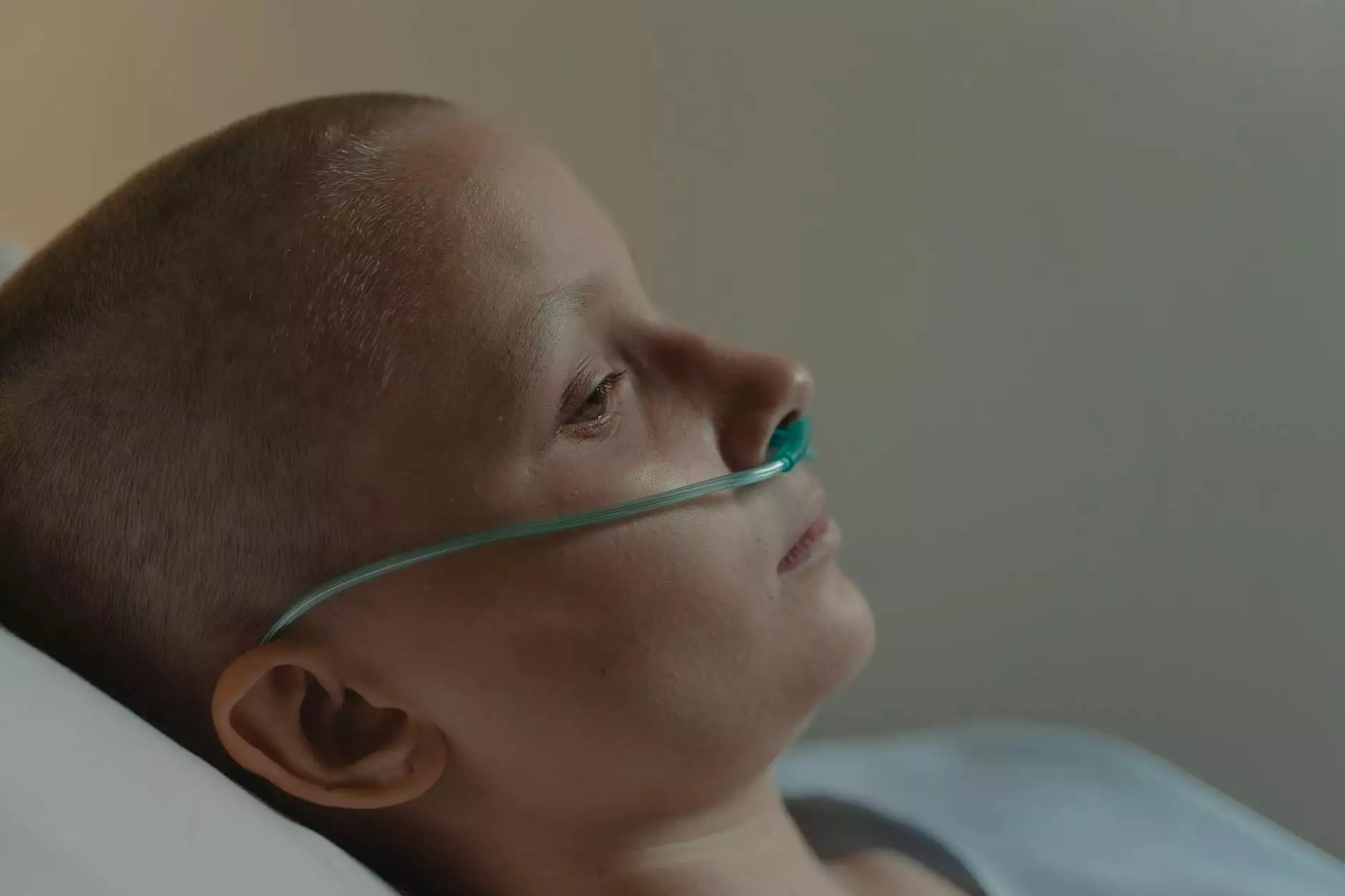
Colon cancer, also known as colorectal cancer, is a serious health concern that affects millions of individuals worldwide. Early detection and proper treatment are crucial for improving survival rates and enhancing quality of life. This detailed guide will provide you with vital information about colon cancer, including its symptoms, risk factors, and the importance of consulting a colon cancer doctor for timely and effective management of the disease.
What is Colon Cancer?
Colon cancer occurs when malignant cells form in the tissues of the colon or rectum. It typically begins as small, benign clumps of cells called polyps, which can develop into cancer over time. Regular screening and monitoring can help in detecting these polyps early, preventing them from becoming cancerous. Understanding the nature of colon cancer is the first step in taking proactive measures.
Understanding the Risk Factors
Identifying the risk factors for colon cancer is crucial for prevention and early detection. While some factors are uncontrollable (such as age and genetic predisposition), others can be managed through lifestyle changes. The primary risk factors include:
- Age: Most cases are diagnosed in people over 50.
- Family History: A family history of colon cancer or polyps increases risk.
- Diet: Diets high in red or processed meats can elevate risk.
- Exercise: Lack of physical activity is a contributing factor.
- Obesity: Being overweight can lead to higher chances of colon cancer.
- Smoking: Tobacco use increases the risk of colorectal cancer.
- Alcohol Consumption: Heavy alcohol use is linked to an elevated risk.
Recognizing the Symptoms
Early symptoms of colon cancer can often be subtle and easily overlooked. Key symptoms to be aware of include:
- Changes in Bowel Habits: Persistent diarrhea, constipation, or a change in stool consistency.
- Blood in Stool: Any presence of bright red or dark blood in the stool is a major warning sign.
- Unexplained Weight Loss: Losing weight without trying can indicate serious disorders.
- Abdominal Pain: Ongoing pain or discomfort in the abdomen should not be ignored.
- Fatigue: Constant tiredness can be a symptom of an underlying health issue.
Importance of Screening
Screening for colon cancer is a fundamental aspect of preventative healthcare. Guidelines suggest that individuals at average risk begin screening at age 45. Regular screenings can lead to:
- Early Detection: Catching cancer early increases treatment success rates.
- Polyp Removal: During screening, polyps can be detected and removed before they turn cancerous.
- Reduction of Mortality Rates: Adhering to screening protocols can significantly lower the risk of dying from colon cancer.
Consulting a Colon Cancer Doctor
Finding the right colon cancer doctor is critical for effective treatment. A specialized doctor can provide tailored advice and develop a care plan that meets the unique needs of the patient. When seeking a colon cancer doctor, consider the following:
- Qualifications: Look for board-certified oncologists or gastroenterologists specializing in colorectal cancer.
- Experience: Choose a doctor with extensive experience in diagnosing and treating colon cancer.
- Reputation: Research patient reviews and hospital affiliations to evaluate the quality of care.
- Communication: A good doctor should communicate clearly, listen to your concerns, and involve you in treatment decisions.
Treatment Options for Colon Cancer
Treatment for colon cancer is not one-size-fits-all; it varies depending on the stage of cancer, overall health, and personal preferences. The main treatment modalities include:
- Surgery: The most common treatment, which may involve removing the tumor and surrounding tissue.
- Radiation Therapy: Often used to shrink tumors or eliminate cancer cells post-surgery.
- Chemotherapy: Administering drugs to kill cancer cells, often used after surgery for advanced stages.
- Targeted Therapy: This includes specific drugs that target cancer cell mechanisms.
- Immunotherapy: Harnessing the immune system to fight cancer, especially for certain cancer types.
The Role of Follow-up Care
After treatment, follow-up care is essential to monitor for any recurrences of colon cancer. This typically includes regular consultations with your colon cancer doctor, as well as ongoing screenings as recommended. Continuous monitoring helps ensure that any changes in health are addressed promptly.
Living Beyond Colon Cancer
Surviving colon cancer is a significant challenge, but many people go on to lead healthy, fulfilling lives post-treatment. Survivorship care focuses on:
- Healthy Lifestyle: Adopting a healthy diet and regular exercise can reduce the risk of recurrence.
- Emotional Support: Counseling and support groups can help address emotional and psychological challenges.
- Regular Check-ups: Continuing to see your healthcare team for routine evaluations is crucial.
Conclusion
Colon cancer is a manageable disease with the potential for positive outcomes through early detection and appropriate care. Understanding the symptoms, risk factors, and the importance of consulting a qualified colon cancer doctor plays a vital role in your health journey. If you or a loved one is facing the challenges of colon cancer, do not hesitate to seek out expert advice and support. For further resources and consultations, visit oncologicalsurgery.net, where dedicated professionals are ready to assist you on the path to recovery.