Understanding Automatic Gearbox Clutch: A Comprehensive Guide
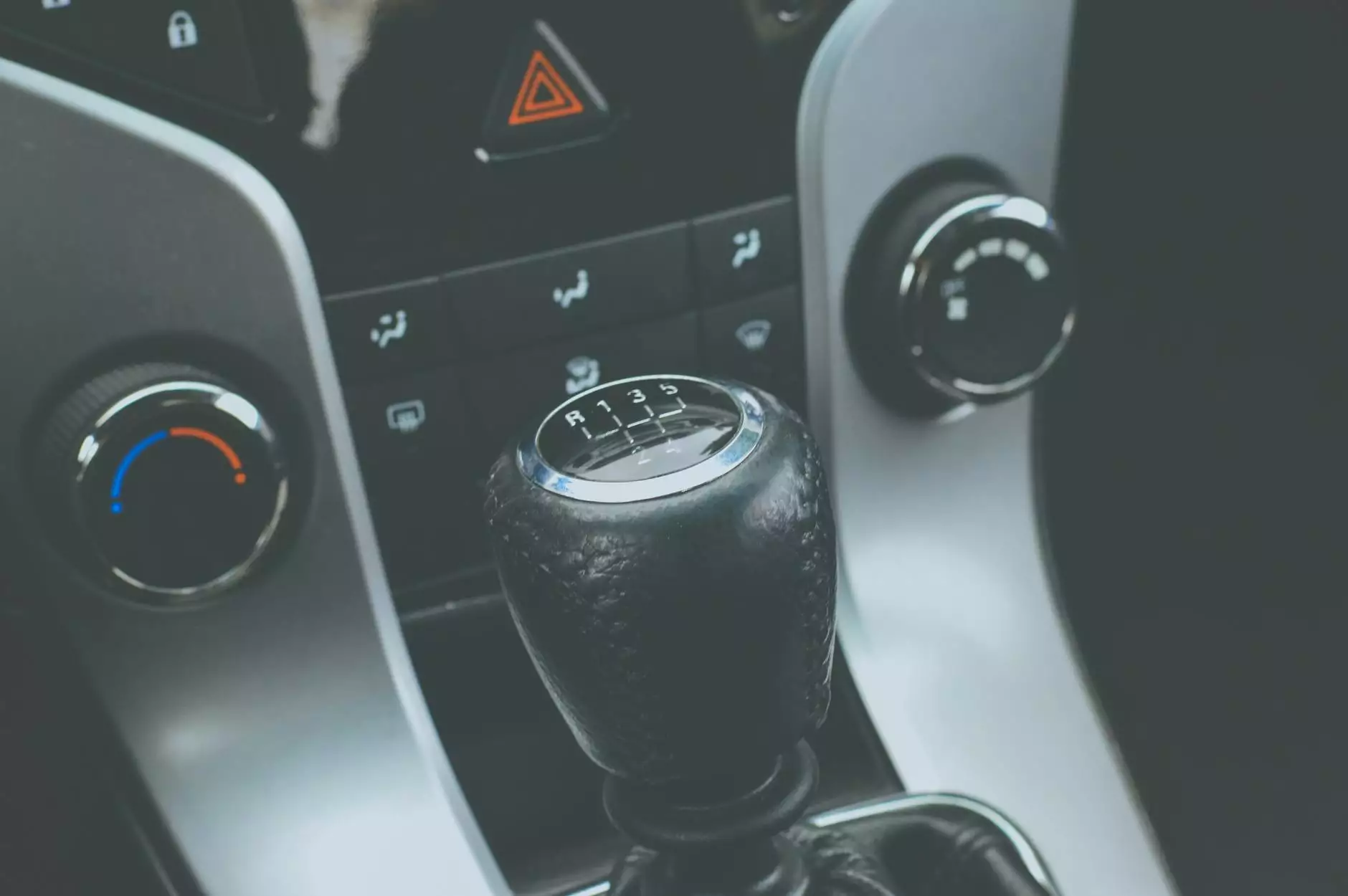
The automatic gearbox clutch is a crucial component in modern vehicles, enabling seamless power transmission and ensuring a smooth driving experience. This article delves into the mechanics of automatic gearbox clutches, their types, maintenance, and the impact they have on overall vehicle performance. With a focus on enhancing your understanding, we will cover each aspect in detail, ensuring you gain a holistic insight into this vital automotive part.
What is an Automatic Gearbox Clutch?
The automatic gearbox clutch is designed to control the connection between the engine and the transmission. Unlike manual clutches that require driver intervention, automatic clutches operate autonomously, allowing for smooth gear changes without the need for manual shifting. This innovation simplifies driving, particularly in stop-and-go traffic conditions and enhances overall vehicle efficiency.
How Does an Automatic Gearbox Clutch Work?
The functioning of an automatic gearbox clutch involves a series of intricate components working in unison. Here’s a breakdown of how it operates:
- Hydraulic System: Most automatic gearboxes utilize a hydraulic system that engages and disengages the clutch. When the driver accelerates, hydraulic fluid is pumped into the clutch mechanism, causing it to engage.
- Sensor Technology: Modern automatic transmissions are equipped with sensors that monitor a variety of factors, such as vehicle speed and throttle position. This data helps the transmission control unit (TCU) determine the optimal moment to shift gears without any lag.
- Torque Converter: The torque converter plays a crucial role by allowing the engine to idle freely while the vehicle is stopped, ensuring a smooth transition from stationary to moving.
Types of Automatic Gearbox Clutches
There are several types of automatic gearbox clutches, each suited for different applications:
1. Dual-Clutch Transmission (DCT)
Dual-clutch systems utilize two separate clutches for odd and even gears, allowing for lightning-fast gear changes. This technology is commonly found in performance vehicles due to its ability to enhance acceleration and fuel efficiency.
2. Continuously Variable Transmission (CVT)
CVTs offer a unique driving experience by seamlessly transitioning through an infinite number of gear ratios. The clutch in a CVT adjusts to maintain optimal engine performance without perceptible gear shifts.
3. Torque Converter Clutches
These clutches lock the torque converter to improve fuel efficiency during cruising conditions. By engaging the clutch, they create a direct connection between the engine and the transmission, reducing energy losses.
Benefits of Automatic Gearbox Clutches
There are numerous advantages to using an automatic gearbox clutch:
- Smooth Driving Experience: Automatic clutches ensure that gear changes occur without the driver feeling any jerks or interruptions, contributing to a more pleasant journey.
- Improved Fuel Efficiency: Advanced automatic transmissions are engineered to optimize engine performance and fuel consumption, leading to cost savings over time.
- Reduced Driver Fatigue: The convenience of not needing to manually shift gears, especially in heavy traffic, greatly reduces fatigue and enhances overall driving comfort.
- Increased Resale Value: Vehicles equipped with automatic transmissions are often more appealing to a broader range of buyers, potentially increasing their resale value.
Maintenance Tips for Automatic Gearbox Clutches
Maintaining your automatic gearbox clutch is essential for prolonging its lifespan and ensuring optimal performance. Here are some expert tips:
1. Regular Fluid Changes
The transmission fluid lubricates and helps cool the automatic gearbox clutch. Over time, this fluid can degrade, leading to increased friction and potential damage. It is recommended to change the fluid every 30,000 to 60,000 miles, or as specified in your vehicle’s owner manual.
2. Monitor Transmission Temperature
Excessive heat can damage the automatic gearbox clutch components. Invest in a transmission temperature gauge to monitor the temperature and ensure it remains within the manufacturer’s specifications.
3. Pay Attention to Warning Signs
Be vigilant for symptoms that may indicate clutch problems, such as slipping gears, delayed engagement, or unusual noises during gear changes. Addressing these issues early can prevent more severe damage and costly repairs.
4. Professional Inspections
Schedule regular inspections with a qualified technician. They can provide insights into your automatic gearbox clutch’s condition and recommend necessary maintenance or repairs.
Common Issues with Automatic Gearbox Clutches
1. Slipping Clutch
A slipping clutch often results in a lack of acceleration despite the engine revving higher. This issue can stem from low fluid levels or internal wear and should be addressed promptly.
2. Overheating
Overheating can lead to significant damage in the automatic gearbox clutch. Common causes include low fluid levels, excessive towing, or a malfunctioning cooling system. Ensure your vehicle has adequate fluid levels and monitor the temperature.
3. Unresponsive Clutch
If the automatic gearbox clutch fails to engage or disengage, it may result from electrical issues or hydraulic failures. This condition requires immediate attention.
Choosing the Right Automatic Gearbox Clutch Replacement
When it comes time to replace your automatic gearbox clutch, consider the following factors:
- Quality Parts: Opt for high-quality replacement parts to ensure reliability and performance. Reputable manufacturers, such as those found at shenghaiautoparts.com, offer a range of premium automatic gearbox clutches.
- Compatibility: Ensure that the replacement clutch is compatible with your vehicle’s make, model, and year to guarantee proper fit and function.
- Warranty: Choose parts that come with a warranty, providing assurance of their quality and longevity.
- Installation Expertise: Have a professional technician install the new clutch to ensure it is fitted correctly and operates as intended.
Conclusion
Understanding the role of the automatic gearbox clutch is vital for any vehicle owner. By learning how it works, recognizing its benefits, maintaining it properly, and addressing any issues promptly, you can enhance your vehicle's performance and longevity. Investing in quality parts from trusted suppliers like shenghaiautoparts.com also ensures your vehicle runs smoothly, providing you with a reliable and enjoyable driving experience for years to come. Equip yourself with knowledge, and you'll drive with confidence!