The Importance of T3 and T4 Vertebrae in Health and Medical Education
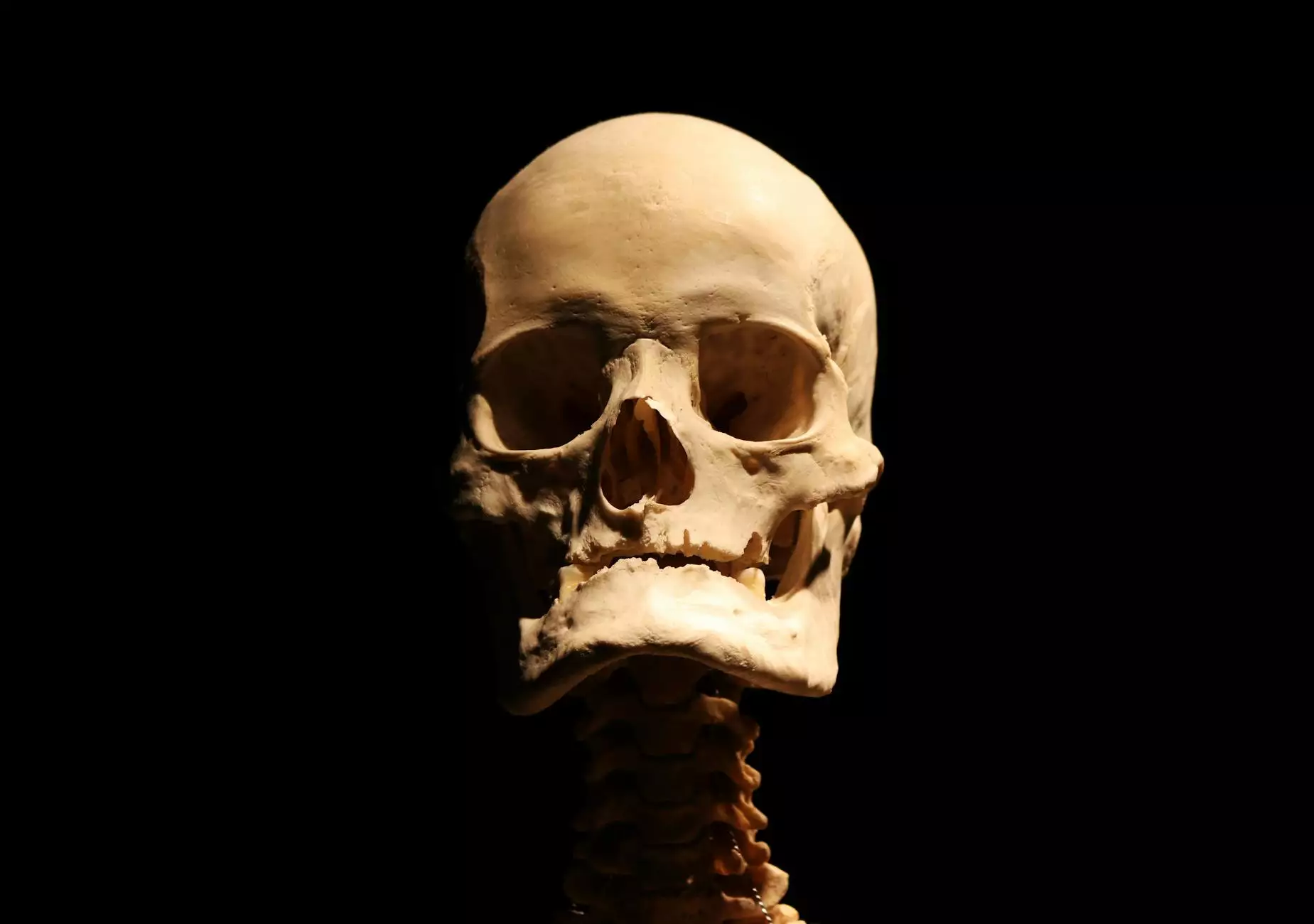
The human spine is more than just a structural element; it serves vital roles in protection, flexibility, and overall well-being. Among the vertebrae in our spine, the T3 and T4 vertebrae play a crucial role in our health, particularly in regards to the neurological and musculoskeletal systems.
Understanding the Structure of the Spine
The spinal column, also known as the vertebral column, consists of numerous vertebrae organized into different regions: cervical, thoracic, lumbar, sacral, and coccygeal. The thoracic region, where T3 and T4 vertebrae are located, plays a fundamental role in supporting the ribs and protecting the spinal cord.
The Thoracic Vertebrae Explained
The thoracic vertebrae comprise 12 vertebrae (T1 to T12) and are identified by their attachment points for the ribs. The T3 and T4 vertebrae are the third and fourth vertebrae in this segment and are essential for the structural integrity and function of the thoracic spine.
Key Functions of T3 and T4 Vertebrae
The T3 and T4 vertebrae have significant roles, including:
- Support for the Upper Body: They provide essential support for the upper body and maintain posture.
- Protection of Spinal Cord: These vertebrae protect the spinal cord, which houses important neural pathways.
- Attachment for Ribs: T3 and T4 serve as critical attachment points for ribs, enabling the mechanics of breathing.
- Facilitation of Movement: They allow for a range of movements including rotation and bending.
Impact of T3 and T4 on Health
The health of the T3 and T4 vertebrae influences not only the spinal structure but also overall health. Issues can lead to pain, discomfort, and a broad spectrum of health issues.
Common Disorders Related to T3 and T4 Vertebrae
Several conditions can affect the T3 and T4 vertebrae:
- Degenerative Disc Disease: As we age, the intervertebral discs may deteriorate, causing pain and limited mobility.
- Herniated Discs: Herniation can occur, leading to nerve compression and significant discomfort.
- Postural Issues: Poor posture can lead to misalignment, impacting the T3 and T4 and causing chronic pain.
- Scoliosis: This curvature of the spine can stress the thoracic vertebrae, including T3 and T4.
Chiropractic Care: Importance for T3 and T4 Vertebrae
Chiropractic care plays a pivotal role in maintaining the health of the T3 and T4 vertebrae. Chiropractors utilize a variety of techniques to help correct spinal misalignments, alleviate pain, and restore mobility.
Chiropractic Techniques for T3 and T4 Vertebrae
Chiropractors may employ several techniques to address issues with the T3 and T4 vertebrae:
- Spinal Adjustments: Manual adjustments can help realign the vertebrae, improving function and reducing pain.
- Soft Tissue Therapy: Techniques that focus on muscles and ligaments can relieve tension around the thoracic spine.
- Rehabilitative Exercises: Targeted exercises can strengthen core muscles, providing better support for the spine.
- Posture Training: Educating patients about optimal posture can prevent long-term spinal issues.
Role of Education in Spinal Health
The education of patients about their spinal health is essential. Understanding the anatomy of the spine, particularly the T3 and T4 vertebrae, and their significance can empower individuals to take proactive steps in maintaining their health.
Improve Knowledge through Health and Medical Education
Effective health and medical education in chiropractic care emphasizes:
- The Importance of an Aligned Spine: An aligned spine minimizes stress on the T3 and T4 vertebrae, promoting overall well-being.
- Awareness of Symptoms: Patients should be educated about recognizing symptoms related to spinal health issues.
- Promotion of Healthy Habits: Encouraging habits such as regular exercise and ergonomic practices can protect spinal health.
- Seeking Medical Attention: Players should be guided to seek assistance early when symptoms arise to avoid further complications.
Conclusion: Fostering a Healthy Spine
The T3 and T4 vertebrae play an undisputed role in the overall health of the spine and the body. Understanding their function and maintaining their health through chiropractic care and proper education can lead to better quality of life and enhanced physical functionality. Emphasizing spinal health in the realms of health and medical education is crucial. By investing in knowledge and awareness, individuals can achieve optimal spinal health and improve their overall life quality.
FAQs About T3 and T4 Vertebrae
1. What are the T3 and T4 vertebrae specifically for?
The T3 and T4 vertebrae provide support for the upper body, protect the spinal cord, and serve as attachment points for the ribs.
2. How can poor posture affect T3 and T4 health?
Poor posture can lead to misalignment and discomfort in the thoracic region, causing chronic pain and mobility issues.
3. What should I do if I experience pain in the thoracic area?
If you're experiencing pain in the thoracic area, consider consulting a chiropractor or healthcare provider for an evaluation and tailored treatment plan.
4. How can chiropractic care help with T3 and T4 issues?
Chiropractic care can assist by realigning the spine, improving mobility, relieving pain, and providing education on maintaining spinal health.
5. Is it common to have issues with T3 and T4 vertebrae?
Yes, issues such as degenerative disc disease and postural problems are common in the thoracic region, impacting T3 and T4 health.
In conclusion, nurturing your understanding of the T3 and T4 vertebrae and committing to health education can yield significant benefits for your overall wellness. Prioritize your spinal health and embrace the knowledge that empowers you to lead a more active and fulfilling life.