Understanding the Best Frozen Vegetables: A Comprehensive Guide
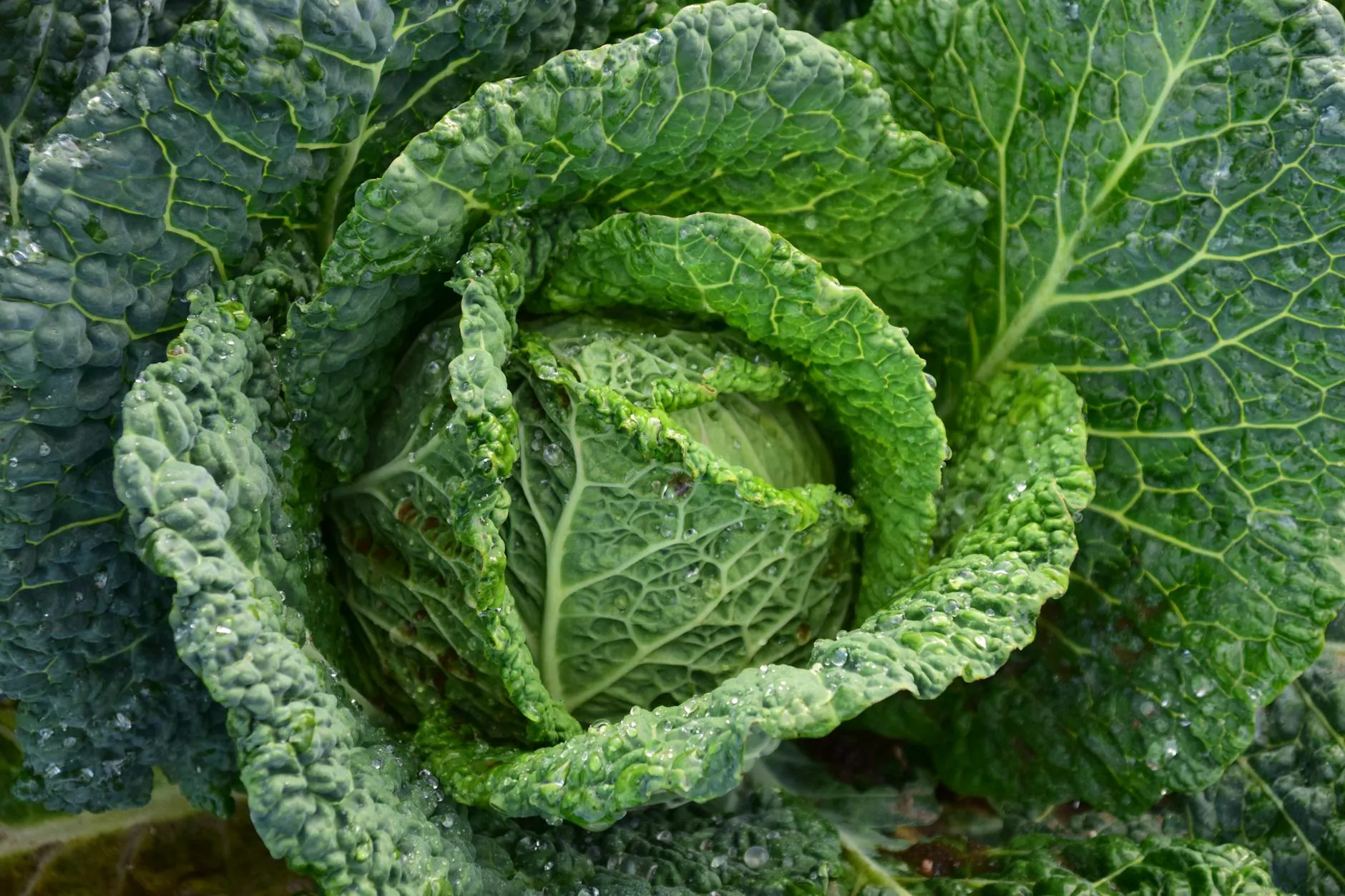
Frozen vegetables have become a staple in many households, offering convenience, nutrition, and flavor all in one handy package. With the rise in demand for quick and healthy meal options, understanding the benefits and availability of the best frozen vegetables is crucial for consumers. In this guide, we will delve deep into what sets certain frozen vegetables apart, how to select quality options, and why they are an indispensable part of a balanced diet.
Why Choose Frozen Vegetables?
Many people often wonder if frozen vegetables are as nutritious as their fresh counterparts. The truth is, frozen vegetables can be a wonderful addition to your diet! Here are some key benefits:
- Preservation of Nutrients: Frozen vegetables are often picked at their peak ripeness and quickly frozen, locking in nutrients.
- Convenience: They require no washing, peeling, or chopping, making meal prep much quicker.
- Long Shelf Life: Frozen vegetables can be stored for extended periods without losing flavor or nutrition, helping to reduce food waste.
- Cost-Effective: Buying frozen can be more economical, particularly when buying in bulk or off-season vegetables.
The Nutritional Value of Frozen Vegetables
When it comes to understanding the best frozen vegetables, it is essential to recognize their nutritional profile. Frozen vegetables are:
- Rich in vitamins and minerals including Vitamin C, potassium, and dietary fiber.
- A low-calorie option that is perfect for weight management.
- Free from preservatives, allowing for a cleaner eating choice.
Maximizing Nutrition in Frozen Vegetables
To maximize the benefits of frozen vegetables:
- Steam Instead of Boil: Steaming retains more nutrients compared to boiling.
- Avoid Overcooking: Overcooking can lead to nutrient loss; it’s best to heat them just until tender.
- Use Sparingly Processed Varieties: Choose those with minimal added ingredients.
What to Look for When Buying Frozen Vegetables
Not all frozen vegetables are created equal. Here’s how to find the best frozen vegetables available in the marketplace:
Read the Ingredient List
When shopping, always check the ingredient list for additives. The best frozen vegetables should have one ingredient: the vegetable itself.
Consider Brand Reputation
Brands like Maple's Food focus on quality and sustainability, providing high-quality, ethically sourced products. Look for brands that prioritize organic and non-GMO vegetables.
Check for Freezer Burn
Be wary of packages that show signs of freezer burn (white spots or ice crystals), as this affects both texture and flavor.
Choose a Variety of Colors
A colorful selection often indicates a variety of nutrients. Different colors represent different vitamins and minerals, enriching your meals nutritionally.
Top Picks for the Best Frozen Vegetables
At Maple's Food, we pride ourselves on offering a curated selection of the best frozen vegetables that cater to various culinary needs:
1. Broccoli
Known for its high Vitamin K and C content, frozen broccoli is perfect for stir-fries, stews, or as a simple side dish.
2. Spinach
Frozen spinach is versatile and nutrient-dense, adding a nutritional boost to smoothies, sauces, and casseroles.
3. Green Beans
A classic frozen vegetable, green beans provide fiber and are fantastic when quickly sautéed with garlic.
4. Mixed Vegetables
Combining colors and flavors, mixed frozen vegetables are ideal for stir-fry dishes or as a quick addition to soups.
5. Peas & Carrots
This classic combination is excellent in various recipes, including casseroles and rice dishes, providing a sweet flavor and vibrant color.
How to Incorporate Frozen Vegetables into Your Meals
Using frozen vegetables can add incredible convenience and nutrition to your meals. Here are some simple ideas:
Soups and Stews
Frozen vegetables can be seamlessly integrated into soups and stews. Just toss them in during the last 10-15 minutes of cooking for a nutritious boost.
Stir-Fries
Stir-frying frozen vegetables is an excellent way to preserve their texture and flavor. Opt for a quick-cooking method with high heat for optimal results.
Salads
Some frozen vegetables can also be lightly steamed and added to salads. Peas and corn are favorites for this application.
Breakfast Dishes
Add vegetables to your morning omelets or smoothies for extra nutrients right at the start of your day.
Cooking Tips for the Best Frozen Vegetables
To achieve the perfect texture and flavor when cooking frozen vegetables:
- Do Not Thaw Before Cooking: Directly cooking frozen vegetables helps maintain their structural integrity.
- Add to the Cooking Process: Consider adding them to your dishes towards the last part of cooking to avoid overcooking.
- Use Seasoning Wisely: A dash of salt, pepper, or herbs can enhance flavors without overwhelming the natural taste.
Conclusion: The Case for Frozen Vegetables
In the world of convenience foods, the best frozen vegetables stand out as a nutritional powerhouse. They offer an accessible and affordable way to incorporate essential nutrients into our diets. By choosing high-quality frozen options like those available at Maple's Food, you can be confident that you are getting great taste and amazing health benefits in every bite.
So, the next time you're in the grocery store, consider stocking your freezer with some of the best frozen vegetables to keep your meals colorful, nutritious, and hassle-free!