Understanding Dental Implants Costs: Factors, Benefits, and Financing
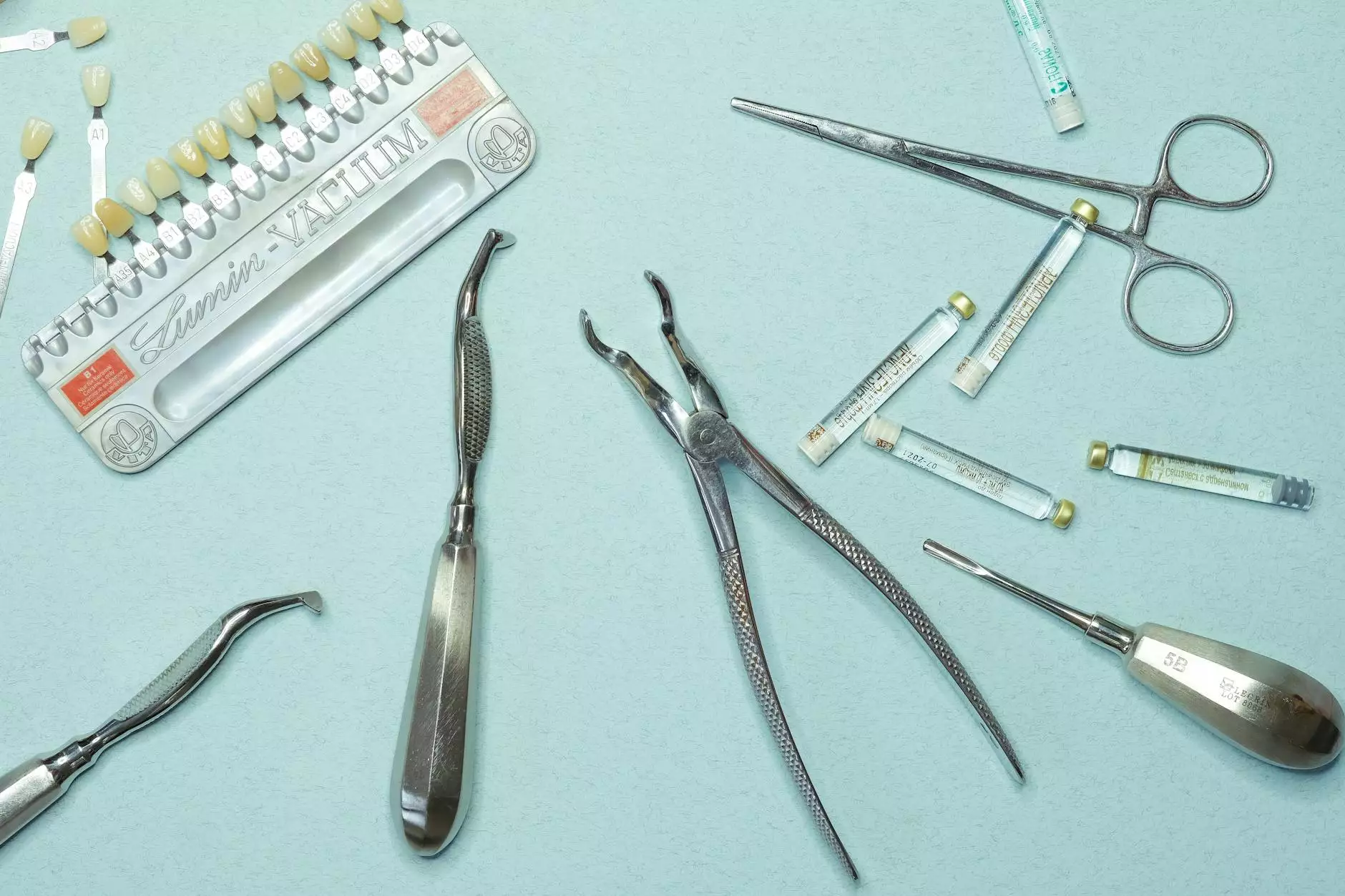
Dental implants have become a popular solution for individuals looking to restore their smile and improve oral function. However, one of the most frequently asked questions is about dental implants costs. This article aims to provide a detailed insight into the various factors that influence the pricing of dental implants, their benefits, and available financing options. By understanding these aspects, you can make an informed decision regarding your dental health.
The Basics of Dental Implants
Dental implants are artificial tooth roots, typically made from titanium, that are surgically placed in the jawbone. They are designed to provide a permanent base for fixed or removable replacement teeth. Unlike dentures and bridges, dental implants fuse with the jawbone, offering superior stability and comfort.
Factors Influencing Dental Implants Costs
1. Type of Dental Implants
There are several types of dental implants, each varying in cost. The most common types include:
- Endosteal Implants: These are the most commonly used implants inserted directly into the jawbone.
- Subperiosteal Implants: Placed under the gum but on or above the jawbone, these are typically used for patients who do not have enough healthy jawbone.
- Zygomatic Implants: These are longer implants anchored in the zygomatic bone (cheekbone) for patients with severe bone loss in the upper jaw.
2. Number of Implants Needed
The total cost will vary depending on how many implants are required. The more implants you need, the higher the overall cost. For instance:
- Single implant: Typically ranges from $3,000 to $4,500.
- Multiple implants: Costs may range from $15,000 to $30,000 for several implants.
3. Additional Procedures
Sometimes, patients may require additional procedures before receiving dental implants. Common procedures include:
- Bone Grafting: For patients with insufficient jawbone thickness or density, bone grafting can increase stability and may add $400 to $3,000 to the overall cost.
- Sinus Lift: This procedure is necessary for implants in the upper jaw when the sinus is too close to the jaw. This can range from $1,500 to $3,000.
4. Location of the Dental Practice
The geographical location of your dental provider significantly influences the cost of dental implants. Major cities with higher living costs tend to charge more for dental procedures compared to smaller towns or rural areas.
5. Experience of the Dentist
The reputation and experience of the dentist performing the procedure can also affect the cost. Highly skilled and experienced dentists may charge a premium for their expertise, which can lead to better results and a higher success rate.
Benefits of Dental Implants
Investing in dental implants not only improves aesthetics but also offers several other benefits:
- Improved Appearance: Dental implants look and feel like natural teeth, giving a better smile and boosting confidence.
- Better Oral Health: Implants do not affect adjacent teeth, preserving oral health.
- Durability: With proper care, dental implants can last a lifetime, making them a long-term solution.
- Enhanced Comfort: Unlike dentures, implants become a part of you, eliminating discomfort.
- Improved Functionality: Dental implants function like natural teeth, allowing you to eat and speak normally.
Financing Options for Dental Implants
Understanding dental implants costs can be daunting, but various financing options can help:
- Dental Insurance: Some insurance plans cover a percentage of dental implants; check your policy for details.
- Payment Plans: Many dental practices offer financing plans that spread the cost over months or years.
- Health Care Credit Cards: Cards like CareCredit can finance dental care with flexible payment options.
- Flexible Spending Accounts (FSAs) or Health Savings Accounts (HSAs): These can help you pay for dental expenses with pre-tax income.
Choosing the Right Dental Provider
When considering dental implants, it's crucial to choose the right provider. Look for:
- Qualified Professionals: Ensure your dentist is board-certified and experienced in implant dentistry.
- Patient Reviews: Check testimonials from previous patients to gauge their satisfaction.
- Before-and-After Photos: Review portfolios to understand the quality of their work.
Conclusion: Is It Worth the Investment?
Dental implants are a significant investment in your oral health and overall quality of life. While dental implants costs can be high depending on various factors, the long-term benefits often outweigh the initial expense. Investing in quality dental implants can lead to a healthier, more fulfilling life, allowing you to chew, speak, and smile confidently.
Contact Us for More Information
If you are considering dental implants and would like to learn more about the costs and the procedure, visit us at wupdoc.com or contact our office for a consultation. Our experienced team is dedicated to providing you with the best dental care tailored to your needs.