The Rise of Site-Specific Light Art: Transforming Spaces and Perceptions
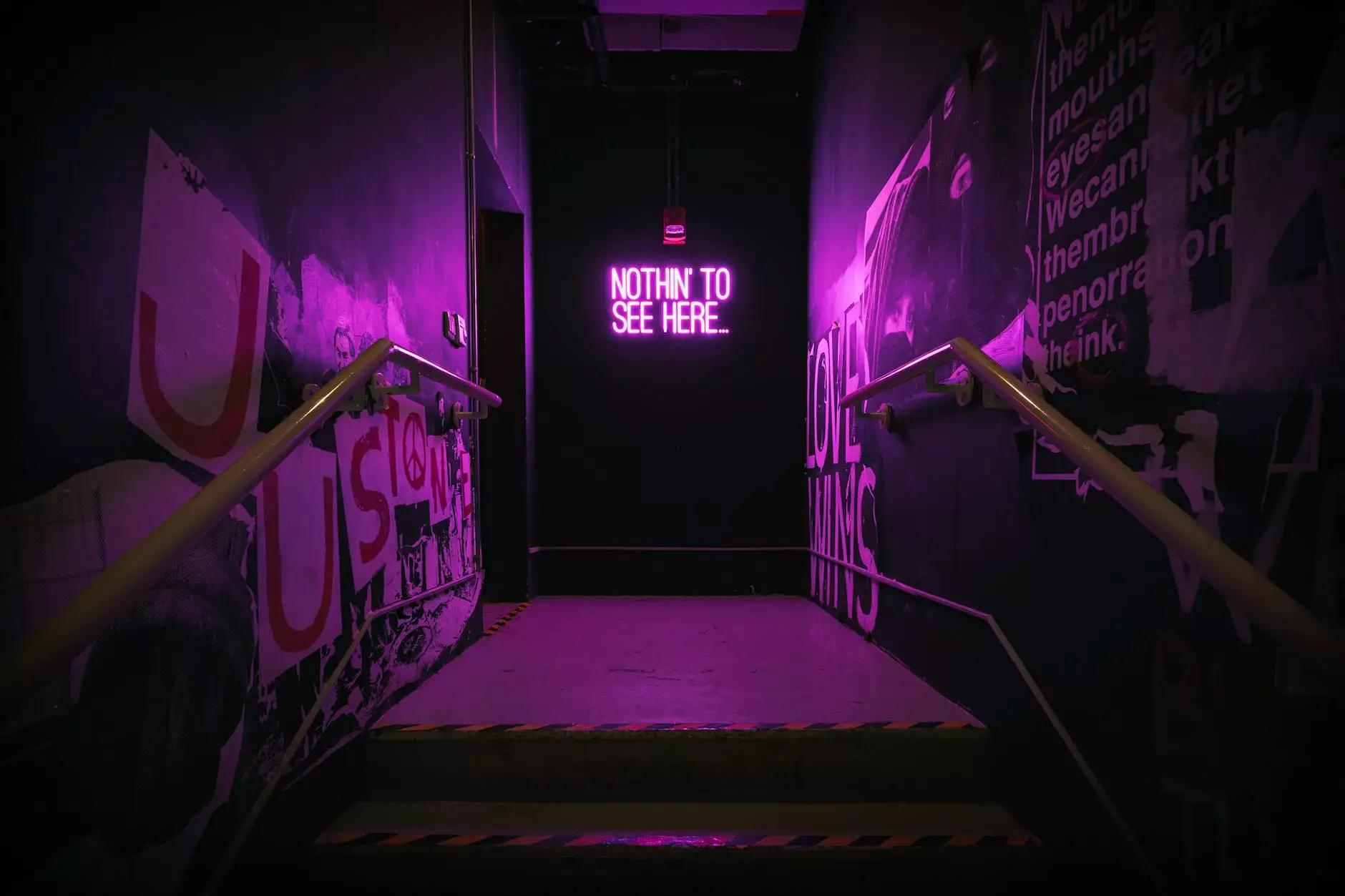
In the ever-evolving landscape of arts and entertainment, site-specific light art has emerged as a transformative force that captivates both the eyes and minds of audiences worldwide. This innovative art form transcends traditional boundaries, creating immersive experiences that intertwine art, environment, and technology. While many artists explore various mediums, few can capture the imagination quite like those who specialize in the ethereal beauty of light.
Understanding Site-Specific Light Art
At its core, site-specific light art is a type of artwork crafted for a specific location, engaging the viewer and the environment in a dialogue that invites participation and reflection. It can take forms ranging from stunning installations to subtle illuminations that change the very perception of a space. Artists, such as Grimanesa Amorós, have excelled in this domain, creating unique narratives woven into the fabric of urban landscapes.
The Philosophy Behind Site-Specific Light Art
The philosophy of site-specific light art revolves around the idea that an artwork can be an integral part of the location in which it is placed. Here are some key points that define this philosophy:
- Contextual Engagement: The art responds to the surroundings, whether architectural, natural, or cultural.
- Viewer Interaction: It encourages active participation from viewers, transforming passersby into engaged participants.
- Temporal Experience: The artworks may change throughout the day, responding to natural light and shadow.
Grimanesa Amorós: A Pioneer in Site-Specific Light Art
Grimanesa Amorós stands out as a visionary artist who integrates personal narratives with the profound impact of site-specific light art. Born in Peru and now residing in New York City, Amorós has made it her mission to illuminate her cultural heritage through contemporary installations.
Innovative Techniques and Materials
Amorós employs a variety of mediums, including LED lighting, to create breathtaking pieces that resonate with both local communities and global audiences. Her use of technology allows for seamless integration with the physical space, making each installation unique. For instance, she often utilizes light projection as a storytelling tool, conveying messages about identity, tradition, and community.
Notable Works and Installations
Among her most renowned installations is "The Waves of Light," displayed in various locations, where intricate designs created from light interact dynamically with the architecture and environment. The illumination creates a shimmering effect that transforms ordinary spaces into engaging landscapes that evoke emotion and contemplation.
The Impact of Site-Specific Light Art on Urban Environments
The influence of site-specific light art extends beyond aesthetics; it plays a significant role in revitalizing urban areas. Here’s how:
- Cultural Revitalization: Artistic installations foster community pride and stimulate local cultural dynamics.
- Economic Development: Art attracts tourists, generating economic benefits for local businesses and enhancing property values.
- Social Interaction: Engaging public spaces inspire social interaction, creating communal experiences that bind neighborhoods together.
Challenges Faced by Site-Specific Light Artists
Despite the inspiring nature of this art form, artists face significant challenges. Environmental factors, local regulations, and funding are just some of the obstacles that can hinder their vision. Artists must navigate these hurdles while maintaining their creative integrity and ensuring their message is appropriately communicated.
Environmental Considerations
The sustainability of light installations is a growing concern as artists prioritize eco-friendly practices. This involves the careful selection of materials and energy-efficient technologies to minimize their carbon footprint while still achieving stunning visual effects. Artists increasingly turn to solar-powered lights, biodegradable materials, and energy-efficient systems in their works.
The Future of Site-Specific Light Art
As we move forward, the potential for site-specific light art appears boundless. The integration of augmented reality (AR) and virtual reality (VR) offers new dimensions that can augment physical installations, leading to hybrid experiences that blend the real and digital worlds. Such innovations promise to engage new audiences and deepen the impact of art in public spaces.
Collaboration and Community Engagement
Looking ahead, the importance of collaboration between artists, local governments, and communities will be crucial for the evolution of this art form. Engaging with local stakeholders not only ensures that the art reflects the community's identity but also fosters a sense of ownership and pride. Artists can design interactive workshops, allowing community members to get involved in the creation process, thus strengthening communal ties and expanding artistic reach.
Conclusion: The Charm of Site-Specific Light Art
In conclusion, site-specific light art remains at the forefront of innovation within the arts and entertainment sector. Through the pioneering vision of artists like Grimanesa Amorós, this art form illuminates more than just physical spaces; it brightens hearts and minds, creating connections that resonate deeply within communities. As we continue to explore how light can reshape our environments, one can only wonder what breathtaking installations await us in the future.
For those interested in delving deeper into the world of site-specific light art, visiting local galleries and exhibitions can provide invaluable insights into the creativity and innovation that this genre embodies. Visit Grimanesa Amorós’s website to discover more about her remarkable contributions to art and light.