The Unsung Hero of Japanese Cuisine: Authentic Wasabi
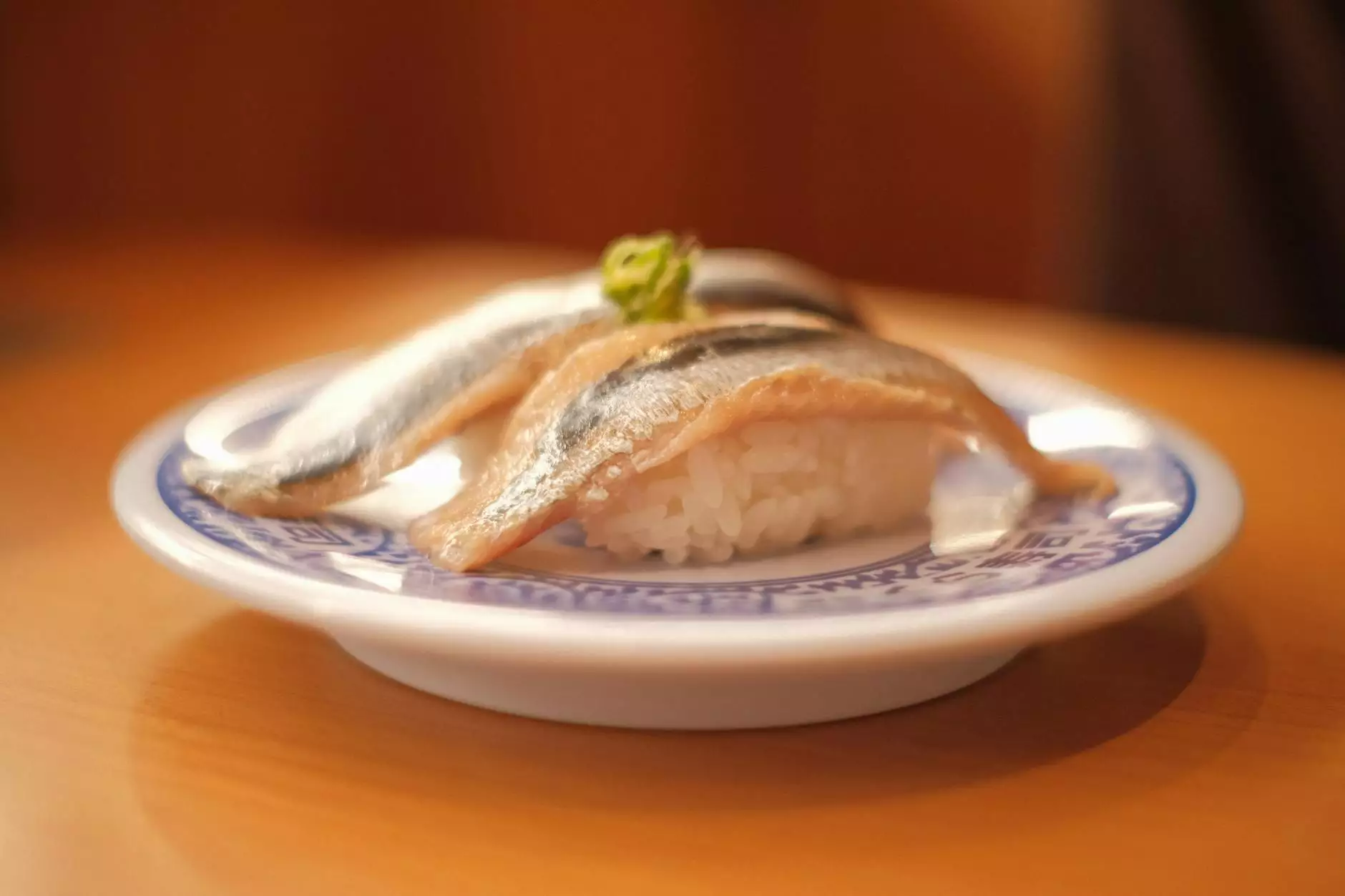
The culinary world is filled with flavors that can elevate our dining experiences, but few ingredients hold the mystique and significance of wasabi. Residing at the heart of Japanese cuisine, wasabi is more than just a condiment; it embodies a rich cultural history and a commitment to authenticity. In this article, we will delve into the wonders of authentic wasabi, its origins, culinary applications, health benefits, and how you can experience it in various sushi bars and restaurants.
The Origins of Wasabi
Wasabi, known scientifically as *Wasabia japonica*, is a plant native to Japan. This green rhizome grows in the clean, cold mountain streams of the Japanese islands, making its cultivation unique and challenging. Traditionally, authentic wasabi is cultivated in an environment that mimics its natural habitat, emphasizing the importance of water quality and temperature.
While it’s commonly mistaken for horseradish due to its similar heat and flavor, real wasabi has a flavor profile that is more nuanced and complex. It boasts a fresh, slightly sweet taste that enhances the dining experience without overwhelming the palate. It's imperative to distinguish between authentic wasabi and the frequently used imitation made from horseradish, as the latter lacks the depth and authenticity of true wasabi.
Why Authenticity Matters
Authentic wasabi is cherished not only for its flavor but also for its cultural significance in Japanese dining. Using genuine wasabi represents a commitment to quality and respect for tradition. Many sushi bars and restaurants pride themselves on serving authentic wasabi, illustrating their dedication to providing the most authentic dining experience possible.
Culinary Applications of Wasabi
In Japanese cuisine, wasabi is primarily associated with sushi and sashimi. However, its applications extend far beyond these classic dishes:
- Sushi and Sashimi: A small amount of wasabi is placed between the fish and rice, enhancing the overall flavor.
- Dipping Sauce: Wasabi can be mixed with soy sauce, creating a pungent dipping sauce for various dishes.
- Dressings and Marinades: Incorporating wasabi into dressings adds an exciting kick to salads and cold dishes.
- Soups and Broths: A dab of wasabi can transform a simple broth into a flavorful starter.
Health Benefits of Authentic Wasabi
Beyond its flavorful attributes, real wasabi offers several health benefits that enhance its appeal:
- Anti-inflammatory Properties: Wasabi contains compounds that may reduce inflammation in the body.
- Antimicrobial Effects: The natural compounds in wasabi can inhibit the growth of certain bacteria, making it a safe addition to sushi.
- Rich in Nutrients: Wasabi is low in calories but rich in vitamins and minerals, including vitamin C, potassium, and magnesium.
- Supports Digestive Health: The antifungal and antibacterial properties can support gut health.
Spotting Authentic Wasabi in Restaurants
When dining at sushi bars or Japanese restaurants, many patrons wish to ensure they’re getting authentic wasabi. Here are a few tips to help you identify real wasabi:
- Check the Color: Authentic wasabi has a bright green color. If you see a fluorescent green paste, it’s likely not real wasabi.
- Texture Matters: Real wasabi has a smoother texture and is often grated fresh from a rhizome.
- Ask Your Server: Don’t hesitate to ask restaurant employees if they serve authentic wasabi. A knowledgeable staff is a good sign of quality.
- Price Point: Authentic wasabi is more expensive to produce. If you notice a very cheap wasabi option, it’s probably not the real deal.
The Experience of Enjoying Authentic Wasabi
There’s a certain ritual to enjoying authentic wasabi that can elevate any meal. Here’s how to truly appreciate this exceptional ingredient:
- Start with Freshness: Seek out sushi bars that prepare wasabi fresh or those that source from reputable suppliers.
- Pairing Wisely: Understand which sushi pairs well with wasabi; for instance, more delicate fish benefit from a lighter touch of wasabi.
- Mind the Quantity: Less is often more. A small dab of authentic wasabi can enhance, rather than overwhelm, your dish.
- Explore Beyond Sushi: Experiment with wasabi in dressings, marinades, and even desserts to discover its versatility.
Finding Restaurants That Serve Authentic Wasabi
For those eager to explore the world of authentic wasabi, finding a restaurant that serves it can be a delightful endeavor. Consider these tips when searching for your next dining destination:
- Online Reviews: Check platforms like Yelp or TripAdvisor for reviews that mention the authenticity of the wasabi.
- Social Media: Follow food bloggers and sushi enthusiasts who often share experiences at various restaurants, highlighting those that serve real wasabi.
- Local Japanese Communities: Engage with local Japanese communities or cultural associations to get recommendations on authentic restaurants.
- Research Their Ingredients: Look up the menu online or call ahead to inquire about the ingredients, specifically asking about wasabi.
The Future of Authentic Wasabi
As the demand for authentic ingredients grows, the future of wasabi cultivation and usage is becoming more vibrant. Sustainable farming practices are emerging to protect the delicate ecosystems needed for authentic wasabi. Here's what to look forward to:
- Increased Awareness: With heightened awareness about the differences between authentic and imitation wasabi, more sushi bars are beginning to emphasize sourcing real ingredients.
- Innovative Uses: Chefs are experimenting with wasabi in non-traditional dishes, including fusion cuisines, creating new ways for diners to enjoy this ingredient.
- Sustainability Efforts: As growers adopt sustainable practices, more farm-to-table restaurants will have access to authentic ingredients.
- Education and Tasting Events: More restaurants are hosting tasting events focused on authentic wasabi, educating patrons about its flavors and uses.
Conclusion: Savoring the Authentic Wasabi Experience
In conclusion, authentic wasabi serves as a cornerstone of Japanese cuisine, offering a unique combination of history, taste, and health benefits. Whether enjoyed with sushi, incorporated into innovative dishes, or savored in its purest form, wasabi enhances every culinary experience. As consumers become more discerning, the appreciation for authentic wasabi will only grow, leading to a culinary landscape that values tradition while embracing innovation.
Next time you visit a Japanese restaurant, remember the significance of wasabi authentic and take the time to fully appreciate this incredible ingredient. Each bite can transport you to the lush green riverbanks of Japan, where this extraordinary plant thrives in its natural habitat, bringing with it a taste that is anything but ordinary.